The remains of the castle ruins can be visited.
CastleJena
Greifenberg Castle
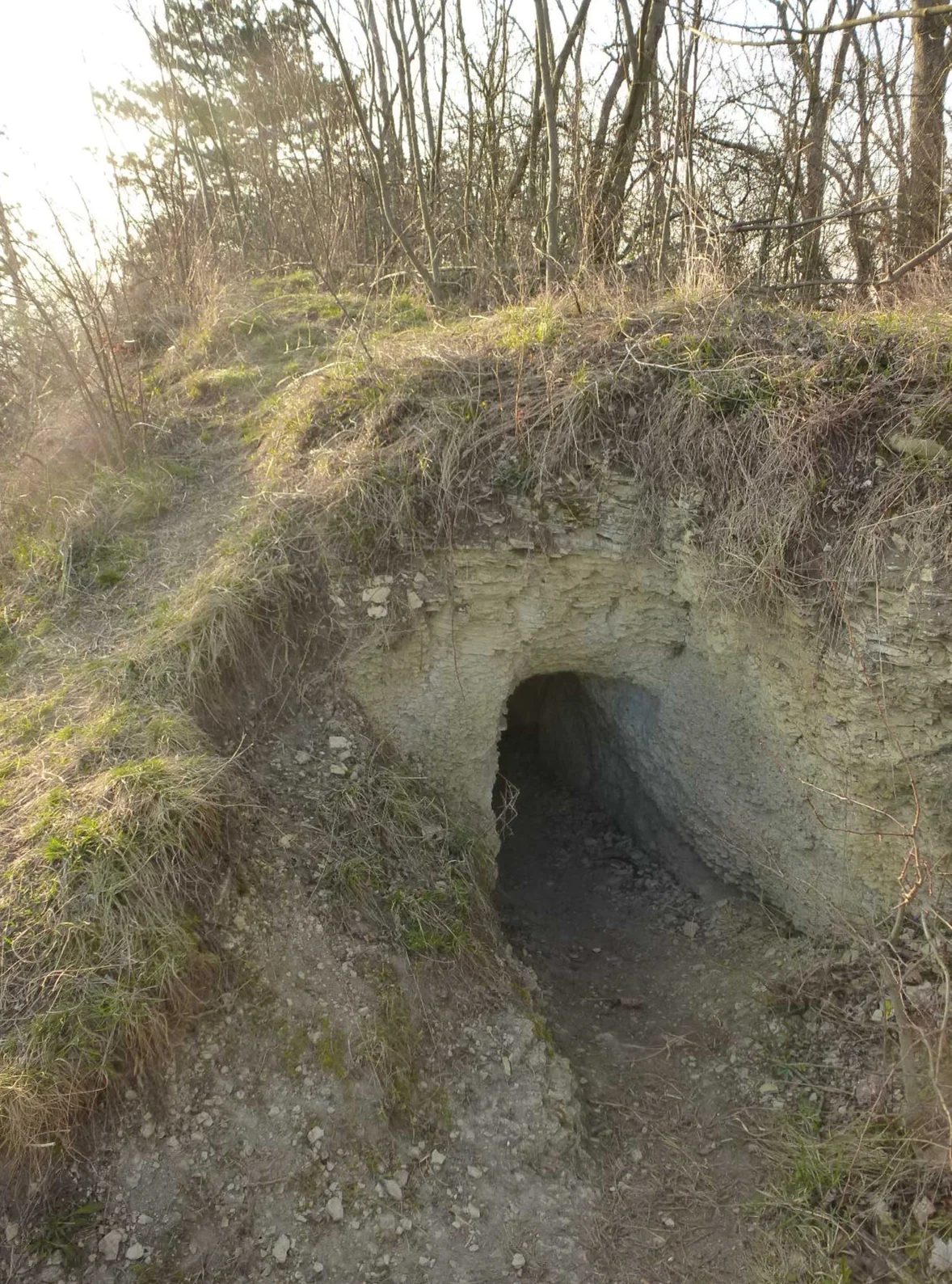
The noble free family of the Greifenbergs was first mentioned in 1156. They had to give up their initial noble free status and became dependent on the Wettins. After their extinction, it came into burgravial possession, which is why it was severely damaged in 1304. In 1345, the Burgraves of Kirchberg handed over the castle to the Wettins as a settlement. After that, the complex fell into insignificance. No more lords of the castle are named after it.
Architectural Development and Decline+
The Romanesque Origins
The oldest parts of the castle date back to the 12th century. These include the remains of a Romanesque palas and parts of the ring wall. The palas, a residential and representative building, was located on the highest point of the castle hill and offered a wide view over the surrounding landscape.
Gothic Expansion and Destruction
In the 13th and 14th centuries, the castle was expanded in the Gothic style. A new, larger palas was built, and the ring wall was reinforced with additional towers. However, these expansions were short-lived. In 1304, the castle was largely destroyed during a conflict between the Wettins and the Burgraves of Kirchberg.
The Castle as a Ruin
After its destruction, the castle was only partially rebuilt. It lost its importance as a noble residence and served mainly as a quarry for the surrounding villages. Today, only a few remains of the once mighty castle are preserved, which nevertheless give an impression of its former glory.
The Greifenberg Castle Today+
Today, the Greifenberg Castle is a popular destination for hikers and history enthusiasts. The ruins are freely accessible and offer a unique insight into the region's past. Information boards provide visitors with details about the castle's history and its architectural features.
Despite its dilapidated state, the Greifenberg Castle remains an impressive monument that bears witness to a bygone era. It reminds us of the changing fortunes of noble families and the constant struggle for power and influence in medieval Germany.
Take Mobile History with you
You are reading this text for free. Premium adds what matters on the road: descriptions read aloud, sites found through your camera, whole regions taken offline.
- Every description, including the ~17,700 Premium sites
- Audio guide: have descriptions read to you on location
- AR finder: see sites through your camera, with distance and bearing
- Unlimited saved sites
14 days free, then from €2.99 a month. Cancel anytime.
Source: Wikipedia · Licence: CC BY-SA 4.0 · Image: Von Дмитрий Че - Eigenes Werk, CC BY-SA 3.0, https://commons.wikimedia.org/w/index.php?curid=31683551
This description draws on the facts documented in the linked Wikipedia article; Wikipedia content is licensed under CC BY-SA 4.0. Wording and editing: Mobile History.
Location: 50.9249, 11.6099