To be privately owned
CastleLa Rabatelière
Château de La Rabatelière
More pictures
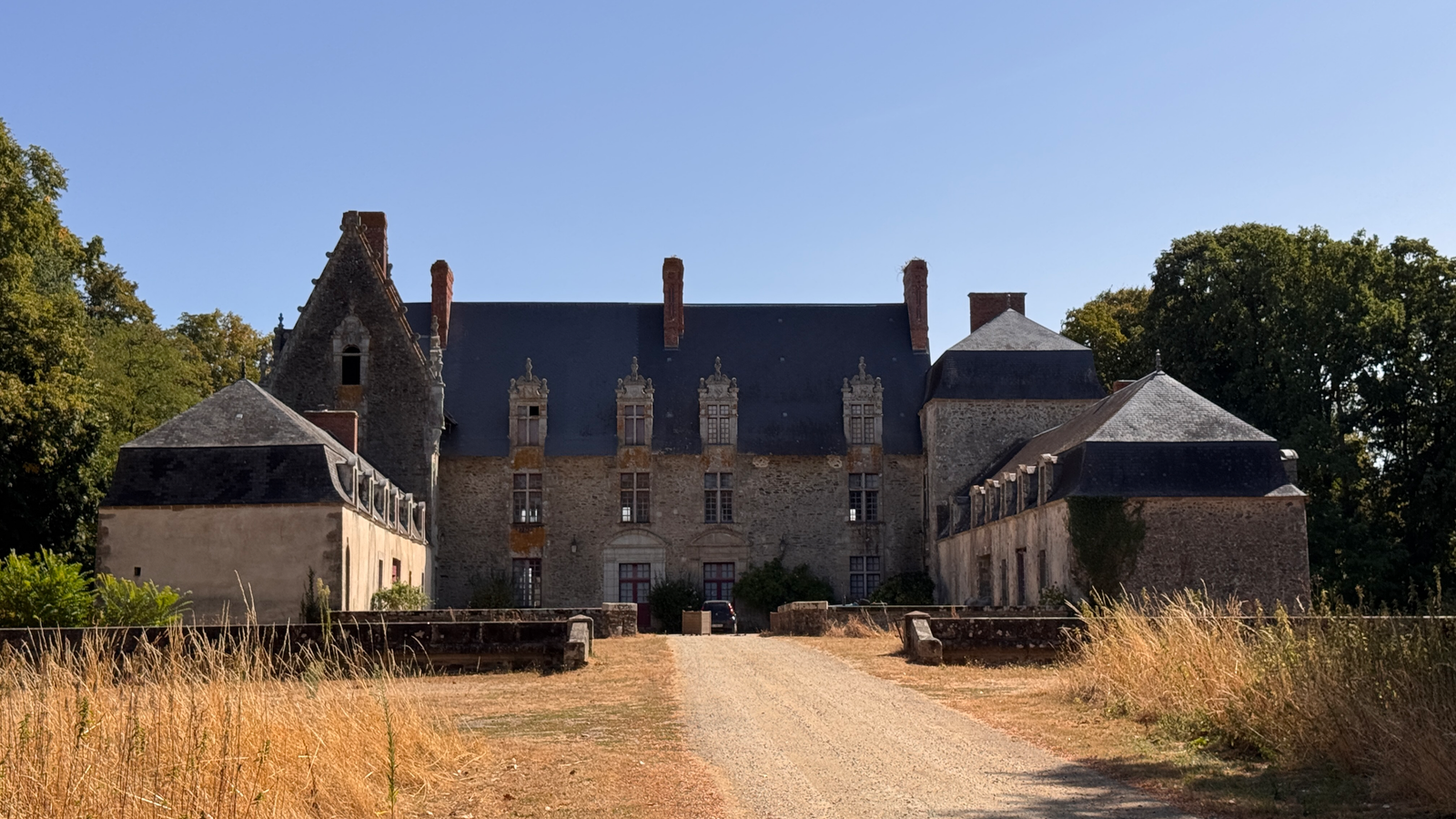
The Château de La Rabatelière is a historic residence located in the commune of La Rabatelière, in the Vendée department of the Pays de la Loire region in western France. It stands in the heart of the Vendée bocage, close to major cultural sites such as the Puy du Fou, the Logis de la Chabotterie and the Historial de la Vendée.
The fief takes its name from the Rabasteau (or Rabastel) family of Bas-Poitou. One of its members, President of the Parlement of Paris under Charles VII, received Joan of Arc in his hôtel in Poitiers in 1429. In 1226 the property passed to the Hospitallers of the Holy Sepulchre (Commandery of l’Aunay) and was granted to Pierre Bruneau as a reward for his bravery against the Saracens. The Bruneau family considerably enlarged the estate, especially after Jacques Bruneau’s marriage in 1503 to the wealthy heiress Jacquette Moreau, Dame de la Jaunière. In 1632 Louis XIII erected La Rabatelière as a barony to reward Charles Bruneau for defending the Île de Ré against the Huguenots; it became a viscounty in 1642. The family died out with François Bruneau, killed at the Battle of Nördlingen in 1645.
Sold in 1720 to the Nantes Montaudouin family (shipowners and traders), the estate was sacked by the “Colonnes infernales” during the Revolution after René de Montaudouin refused to emigrate. In 1828 the heirs sold it to Charles Henry de La Poëze. His son Olivier de La Poëze, chamberlain to Napoleon III, fully restored the château and created the landscape park. It remained in the La Poëze family (notably under Yves Gabriel de La Poëze, mayor of La Rabatelière from 1888 to 1946) until the early 21st century. It is now owned by Wilfrid and Nathalie Montassier.
Originally a medieval manor, the château was transformed in the 1630s, given an oval salon with stucco decoration around 1780, remodelled in the 1830s after the La Poëze acquisition, and profoundly altered between 1891 and 1900 by the architect Félix Libaudière. Protected elements include the façades and roofs of the château and the outbuildings framing the courtyard of honour, the 18th-century oval salon, the grand salon with its late-19th-century neo-Renaissance fireplace, the dining room incorporating 17th-century retable elements, the landscape park, the courtyard of honour, the moats and the bridge spanning them. The whole was inscribed as a Monument historique on 30 October 2001.
The château is set in a romantic 24-hectare park of woods, meadows and bridle paths bordered by a river and approached by a long avenue of plane trees. It operates as a bed-and-breakfast (chambres d’hôtes), offering rooms such as the Chambre Charette (named because the Vendéen general Charette held secret meetings there), the Chambre Monsieur Henri and the Suite Joséphine. It is open year-round for guests and serves as an ideal base for exploring the Vendée heritage.
Take Mobile History with you
You are reading this text for free. Premium adds what matters on the road: descriptions read aloud, sites found through your camera, whole regions taken offline.
- Every description, including the ~17,700 Premium sites
- Audio guide: have descriptions read to you on location
- AR finder: see sites through your camera, with distance and bearing
- Unlimited saved sites
14 days free, then from €2.99 a month. Cancel anytime.
Source: Wikipedia · Licence: CC BY-SA 4.0 · Image: Mobile Geschichte
This description draws on the facts documented in the linked Wikipedia article; Wikipedia content is licensed under CC BY-SA 4.0. Wording and editing: Mobile History.
Location: 46.8599, -1.2542