To be privately owned
CastleCarquefou
Château de la Seilleraye
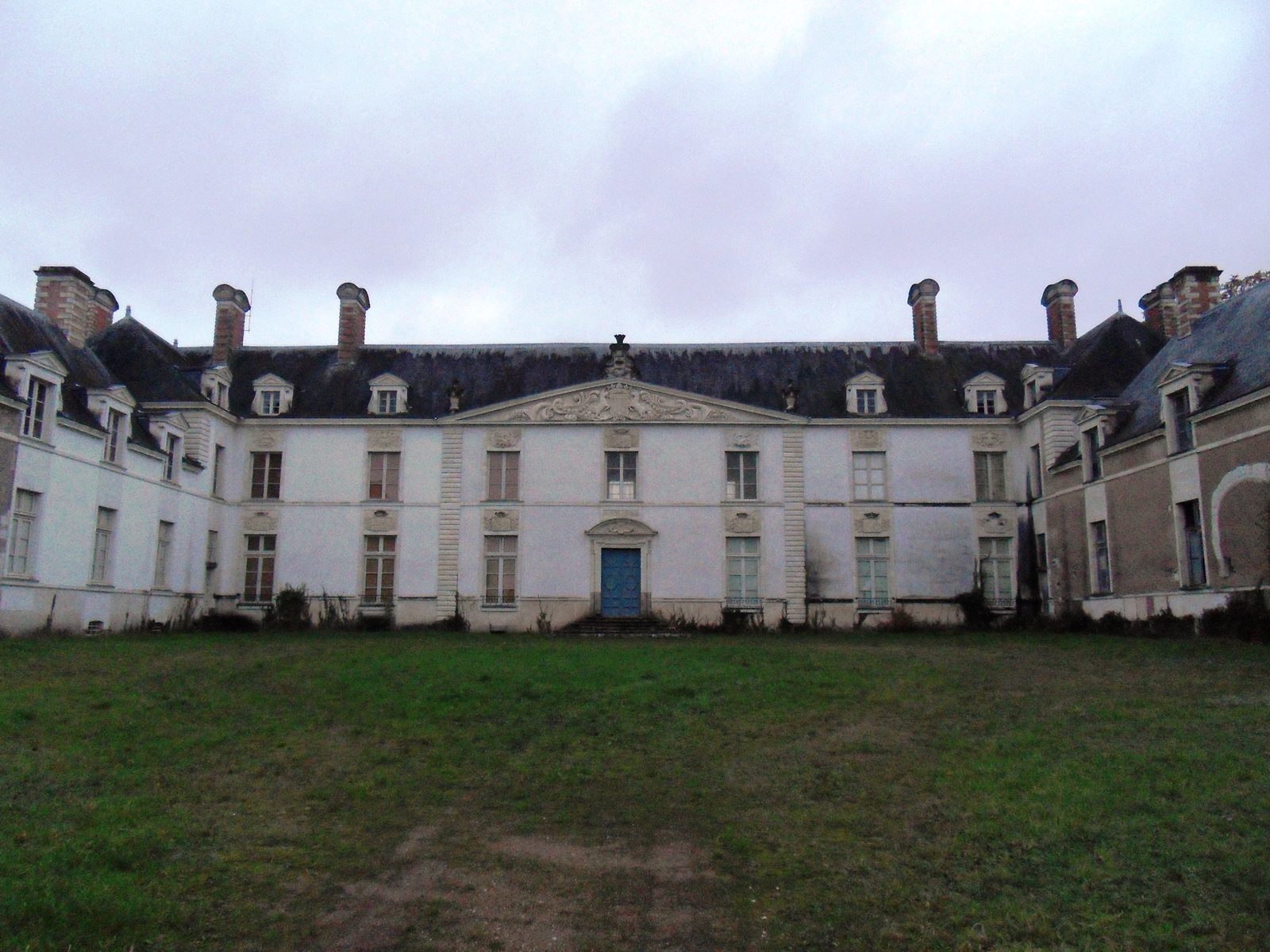
The Château de la Seilleraye is a 17th-century château located in the commune of Carquefou, in the Loire-Atlantique department of the Pays de la Loire region in western France, to the east of the town centre and about 15 km northeast of Nantes.
The domain was originally a vast seigneurie. Its medieval keep, known as “Kerarigo”, belonged in 1447 to Jean du Houx, councillor to the Duke of Brittany. It later passed to the Brécel family before being acquired in 1540 by the Harouys family, several of whose members served as mayors of Nantes.
The present château was built from 1671 for Guillaume d’Harouys de La Seilleraye (1611–1699), treasurer of the Estates of Brittany from 1657 to 1687. The plans are attributed to the Parisian architect Delahaye (sometimes linked to the circle of Mansart or to Jacques Caris). Guillaume died without heirs after imprisonment in the Bastille, and the estate passed to the Becdelièvre family; the building was completed after 1730 by the marquis de Becdelièvre. In the 18th century the interiors received fine panelling that covered earlier painted decoration. The park was redesigned around 1816 by the landscape architect Berthault and includes ornamental fabriques.
Madame de Sévigné, a cousin of Madame d’Harouys, stayed at the château in 1675 and wrote some of her celebrated letters there. Other notable visitors included the painters Mignard, Le Brun and Rigaud, the dukes of Penthièvre, Rohan and Retz, and Dr Laënnec in 1819.
Sold in 1940, the château was occupied by the German army until 1943. After the bombing of the Hôtel-Dieu in Nantes it was requisitioned as a hospital annex. A modern convalescent building was later erected in the park (1974). The château itself was rehabilitated around 2008–2011 and converted into private apartments (approximately 20–25 units).
On 30 December 1994 the château, its outbuildings, the portal and the entrance grille were classified as a Monument historique; the park with its fabriques was inscribed on the same date. The historic ensemble remains protected while serving as private residences.
Take Mobile History with you
You are reading this text for free. Premium adds what matters on the road: descriptions read aloud, sites found through your camera, whole regions taken offline.
- Every description, including the ~17,700 Premium sites
- Audio guide: have descriptions read to you on location
- AR finder: see sites through your camera, with distance and bearing
- Unlimited saved sites
14 days free, then from €2.99 a month. Cancel anytime.
Image: Remy TENEN · Wikimedia Commons · CC0
Location: 47.2995, -1.4206