CastleEclépens

Château En-Haut (Eclepens)
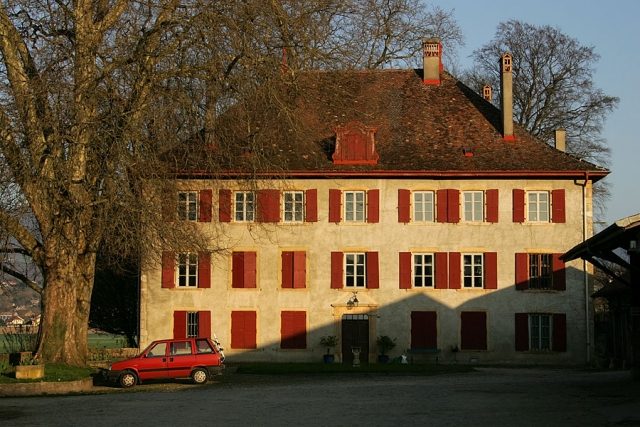
Château En-Haut (Eclepens)

To be privately owned

The Upper Castle (Château En-Haut)+

The Upper Castle (Château En-Haut) was built in 1786 through the conversion and expansion of the former rectory.

History+

The history of the Upper Castle is closely linked to the history of the village itself. Originally, the building served as a rectory, a function it fulfilled for several centuries. Over time, as the village grew and its needs changed, the building also underwent various transformations.

In the mid-18th century, the idea arose to convert the rectory into a more representative building. The then-ruling noble family, the von Blankenburgs, saw the potential to establish a secondary residence or administrative seat here. The conversion work began in 1780 and was completed in 1786.

Architecture+

The architecture of the Upper Castle is a fascinating blend of different eras and styles. The original rectory was built in a simple, functional style typical of the region. During the conversion in the late 18th century, elements of Baroque and early Classicism were added.

  • Main Building: The main building is characterized by its symmetrical facade and the prominent central entrance. The windows are regularly arranged and adorned with simple stone frames.
  • Roof: The steep hipped roof is covered with traditional red tiles and features several dormers that provide light to the attic.
  • Interior: Inside, some of the original wooden beams and stone walls have been preserved, giving the castle a rustic charm. At the same time, elegant stucco ceilings and wall paintings from the Baroque period can be found in some rooms.
Usage+

Over the centuries, the Upper Castle has served various purposes:

  • Rectory (until 1780): Originally, the building served as the residence and workplace for the local priest.
  • Noble Residence (1786-1850): After the conversion, it was used as a secondary residence by the von Blankenburg noble family.
  • Administrative Building (1850-1920): In the mid-19th century, the castle was converted into an administrative building for the local community.
  • Museum and Cultural Center (since 1920): Since 1920, the Upper Castle has housed a local history museum and serves as a cultural center for various events and exhibitions.
Current Condition and Future+

Today, the Upper Castle is a well-preserved historical monument. Regular renovations and maintenance work ensure that the building remains in good condition. Plans for the future include expanding the museum and creating additional event spaces to make the castle even more accessible to the public.

The Upper Castle remains a central point of attraction for tourists and a place of historical significance for the local population.

Take Mobile History with you

You are reading this text for free. Premium adds what matters on the road: descriptions read aloud, sites found through your camera, whole regions taken offline.

  • Every description, including the ~17,700 Premium sites
  • Audio guide: have descriptions read to you on location
  • AR finder: see sites through your camera, with distance and bearing
  • Unlimited saved sites

14 days free, then from €2.99 a month. Cancel anytime.

Source: Wikipedia · Licence: CC BY-SA 4.0

This description draws on the facts documented in the linked Wikipedia article; Wikipedia content is licensed under CC BY-SA 4.0. Wording and editing: Mobile History.

Location: 46.6531, 6.5246