To be privately owned
ManorGuthmannshausen
Guthmannshausen Manor
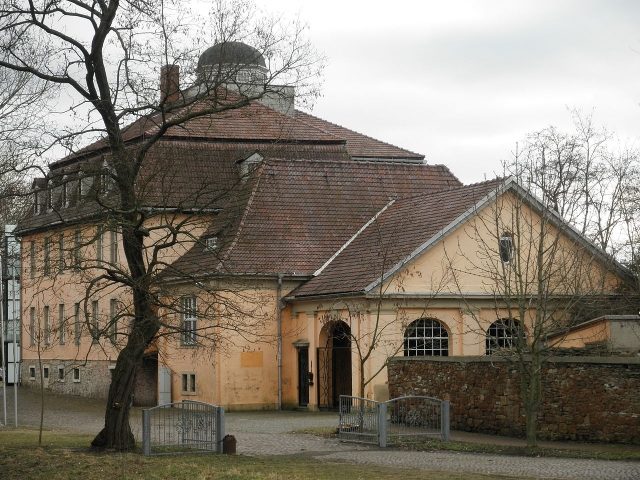
Guthmannshausen Manor House, a manor and estate house, is located in Thuringia.
History+
The first documented mention of the village Guthmannshausen, originally known as Wodaneshusun, dates back to the early 8th century. This reference is found in the Breviarium Sancti Lulli, a register of free estates transferred by Archbishop Lullus of Mainz to Hersfeld Monastery. In 1256, an Albert von Gutenhusen is recorded as an owner in the village, with his family residing there until the 17th century. From 1572, Guthmannshausen belonged to the Duchy of Saxe-Weimar. The village suffered looting in 1637 during the Thirty Years' War and was struck by a plague epidemic in 1680, claiming 210 lives. The current manor house was built around 1700 by the Lords von Ende. Ownership later passed to the von Knobloch family.
Source: Wikipedia · Licence: CC BY-SA 4.0
This description draws on the facts documented in the linked Wikipedia article; Wikipedia content is licensed under CC BY-SA 4.0. Wording and editing: Mobile History.
Location: 51.1336, 11.3691