Cultural Events
To be privately owned
ManorKrevese
Krevese Manor
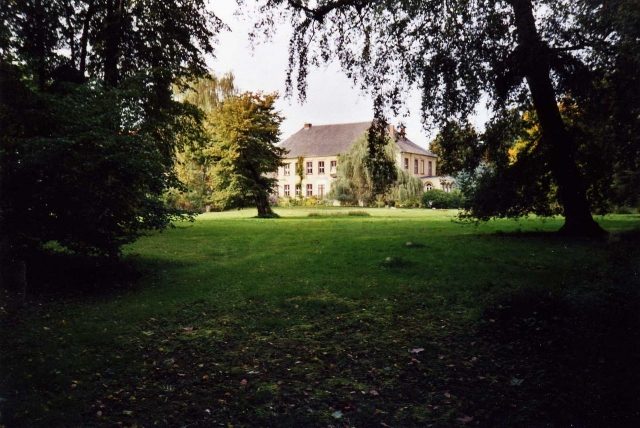
Krevese (formerly also: Crevese) was first mentioned in a document in 956. The village belonged to the local Benedictine convent "Marienthal", which was dedicated to the Mother Mary and Saint Anisius.
The dispute with the Benedictine convent Dobbertin in Mecklenburg over the Sandpropstei village of Lärz was resolved in favor of Dobbertin on September 21, 1249, in Röbel.
According to the legend "The Haunting Nuns in the Convent Church of Crevese", the convent ceased to exist in 1540; the last abbess was Catharina von Jeetze († 1569).
"The Legend of Emma's Cross", however, reports that the convent burned down in 1268 due to arson by an unwilling nun, was rebuilt, burned down again in 1280, and then did not revive due to lack of money. Krevese used to have its own church, but since it burned down, divine service for the estate and village community was established in the convent church.
In 1562, the von Bismarck family received the Krevese provostry in exchange for their property, Burgstall Castle, and converted it into a feudal manor. During the Thirty Years' War, the manor and especially the village of Krevese were severely affected. It took until 1725 for the new strictly Prussian-Baroque manor house to emerge from the ruins of the war and for the orphaned farmsteads in the village to be reoccupied.
Source: Wikipedia · Licence: CC BY-SA 4.0
This description draws on the facts documented in the linked Wikipedia article; Wikipedia content is licensed under CC BY-SA 4.0. Wording and editing: Mobile History.
Location: 52.8105, 11.6914