CastleNeustadt an der Weinstraße - Königsbach

Hirschhorn Castle
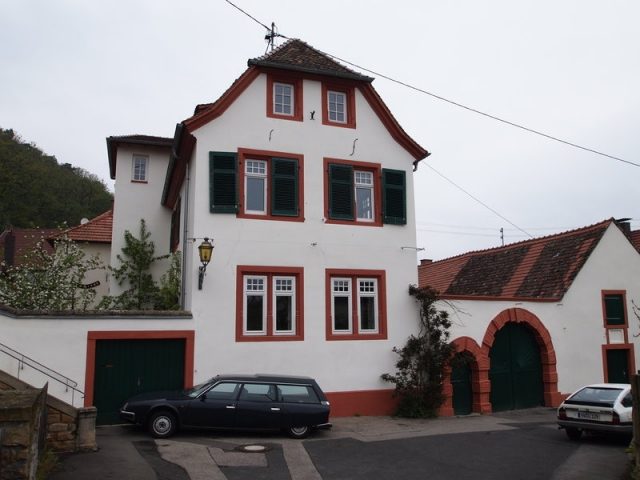
Hirschhorn Castle

To be privately owned

The Hirschhorn Castle: A Jewel of Renaissance Architecture+

The Hirschhorn Castle, a magnificent example of Renaissance architecture, was erected in 1604. Nestled in the picturesque landscape of the Neckar valley, it has witnessed centuries of history, from the Thirty Years' War to the present day. Its sturdy walls and elegant design tell tales of knights, noble families, and the ever-changing tides of time.

Architectural Significance+

The castle's design reflects the transition from medieval fortifications to more comfortable, yet still defensible, residences. Key architectural features include:

  • Steep Gabled Roofs: Characteristic of the Renaissance period in Germany, providing both aesthetic appeal and practical space.
  • Oriel Windows: Elaborate bay windows that project from the main wall, offering wider views and enhancing the interior's grandeur.
  • Decorative Facades: Adorned with intricate stonework and carvings, showcasing the craftsmanship of the era.
  • Inner Courtyard: A central, protected space that served as the heart of the castle's daily life.
Historical Context+

The construction of the Hirschhorn Castle coincided with a period of relative peace and prosperity in the region, allowing for such ambitious building projects. However, this tranquility was short-lived, as the castle soon found itself in the midst of the Thirty Years' War (1618-1648). Despite the widespread destruction of the war, the Hirschhorn Castle largely survived, a testament to its robust construction and strategic importance.

The Lords of Hirschhorn

The castle was originally built by the Lords of Hirschhorn, a prominent noble family who played a significant role in the local politics and economy. Their lineage can be traced back to the 12th century, and they were known for their military prowess and their patronage of arts and culture. The castle served as their primary residence and a symbol of their power and influence.

Later Ownership and Renovations

Over the centuries, the Hirschhorn Castle changed hands multiple times, each owner leaving their mark on its structure and history. Subsequent renovations and additions, particularly in the 18th and 19th centuries, introduced elements of Baroque and Romantic architecture, further enriching its unique character. These modifications, however, were carefully integrated, preserving the castle's original Renaissance charm.

The Castle Today+

Today, the Hirschhorn Castle stands as a proud monument to its rich past. It is a popular tourist destination, attracting visitors from all over the world who come to admire its architecture, explore its grounds, and delve into its fascinating history. The castle also hosts various cultural events, including concerts, exhibitions, and historical reenactments, keeping its legacy alive for future generations.

The castle's well-preserved state allows visitors to step back in time and experience the grandeur of a bygone era. Guided tours offer insights into the daily life of its former inhabitants, the architectural details, and the historical events that shaped its destiny. The panoramic views from its towers over the Neckar valley are simply breathtaking, making a visit to the Hirschhorn Castle an unforgettable experience.

Take Mobile History with you

You are reading this text for free. Premium adds what matters on the road: descriptions read aloud, sites found through your camera, whole regions taken offline.

  • Every description, including the ~17,700 Premium sites
  • Audio guide: have descriptions read to you on location
  • AR finder: see sites through your camera, with distance and bearing
  • Unlimited saved sites

14 days free, then from €2.99 a month. Cancel anytime.

Location: 49.3870, 8.1568