Uninhabited
MonasteryBredelar
Bredelar Abbey
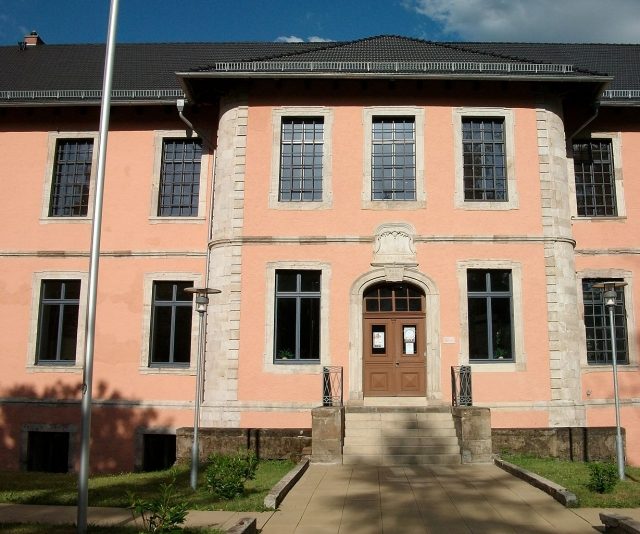
Kloster Bredelar, a former Premonstratensian nunnery and later Cistercian abbey, is situated in Bredelar near Marsberg in the Hochsauerlandkreis, North Rhine-Westphalia. Portions of the historic complex now function as a cultural and conference center, also housing a museum dedicated to the former Theodorshütte ironworks.
History+
The foundation of Kloster Bredelar dates back to 1170, established by Archbishop Philipp von Heinsberg of Cologne as a Premonstratensian nunnery. The site was granted by Gottschalk von Padberg, who in return received the advowson over the monastery. Initial endowments included a chapel, farmsteads, and a mill. The monastic church was consecrated to Saint Lawrence. In 1196, Archbishop Adolf I of Cologne transformed the nunnery into a Cistercian abbey; the nuns were relocated to Rumbeck, while monks from Hardehausen Abbey formed the new community. During the 13th century, the monastery expanded its holdings through donations from the Lords of Padberg, as well as through purchases and hereditary leases. Its flourishing period is reflected in the Bredelar Bible, a manuscript created between 1238 and 1241. The 14th and 15th centuries saw economic decline and a near cessation of monastic life, influenced by local feuds and the formation of deserted settlements. Economic conditions improved in the 16th century, allowing for enhancements to the monastery's furnishings. Following internal disputes and the deposition of an abbot in 1591, new abbots initiated construction activities.
Source: Wikipedia · Licence: CC BY-SA 4.0
This description draws on the facts documented in the linked Wikipedia article; Wikipedia content is licensed under CC BY-SA 4.0. Wording and editing: Mobile History.
Location: 51.4178, 8.7725