Museum
Cultural center
MonasteryGrömitz
Cismar Abbey
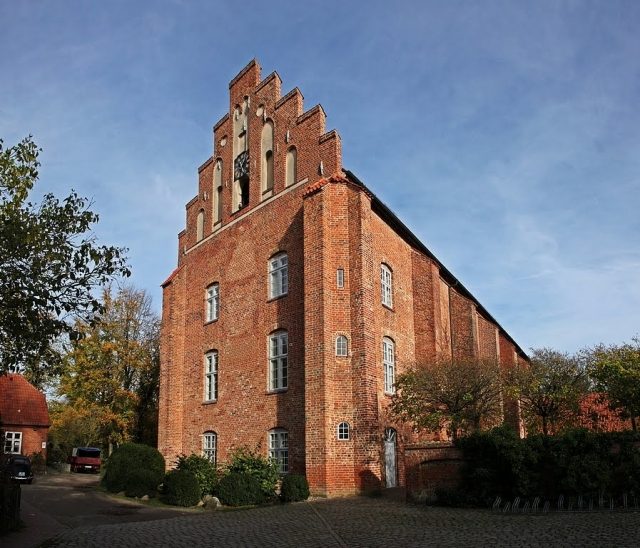
Cismar Abbey, a former Benedictine monastery in Grömitz, Schleswig-Holstein, is an example of North German Brick Gothic architecture. Today, it serves as a cultural center and museum, hosting art exhibitions.
History+
The origins of Cismar Abbey date back to 1177, when Bishop Heinrich I of Brussels summoned Benedictine monks from Braunschweig to Lübeck and consecrated the Johanniskloster there. Due to complaints about misconduct in this double monastery, where monks and nuns coexisted, the relocation of the convent was decided. Count Adolf IV of Holstein ordered the resettlement to Cicimeresthorp, today's Cismar, in 1231. Despite initial legal disputes, Abbot Johann I and part of the convent moved to Cismar in 1245 and began new construction. The monastery, which never housed a large monastic community, continuously expanded its possessions and became a pilgrimage site, not least due to an extensive collection of relics. In the 15th century, conflicts arose with the Bishop of Lübeck. The Reformation led to the adoption of the Protestant church order in 1542 and the final dissolution of the monastery in 1561, after which it was converted into a ducal castle.
Source: Wikipedia · Licence: CC BY-SA 4.0 · Image: Norbert Kaiser
This description draws on the facts documented in the linked Wikipedia article; Wikipedia content is licensed under CC BY-SA 4.0. Wording and editing: Mobile History.
Location: 54.1900, 10.9858