Cultural facilitie
MonasteryReifenstein
Reifenstein Abbey
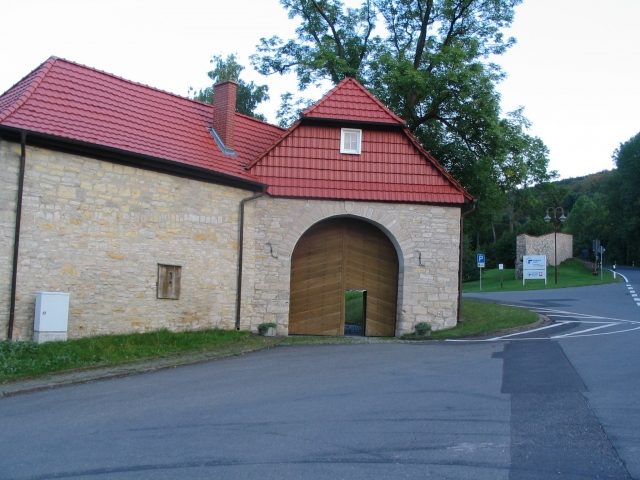
Reifenstein Monastery, a former Cistercian abbey, is situated in the Eichsfeld region of Thuringia and today serves as a cultural institution. Originally founded in the 13th century, its history of destruction and reconstruction is reflected in its current Baroque architecture.
History+
Reifenstein Monastery was founded by Count Ernst II of Tonna-Gleichen, who settled it with monks from Volkenroda Monastery. As early as 1217, Landgrave Ludwig of Thuringia placed the monastery under his protection, and in 1262, Pope Urban IV confirmed its rights. Through donations and purchases, the monastery expanded its possessions in the surrounding villages. The 14th and 15th centuries were marked by plundering. In 1525, during the Reformation and the German Peasants' War, peasants invaded the monastery, destroyed the church's furnishings, and devastated the complex, causing the monks to flee. A complete reconstruction only took place in 1585 under Abbot Philipp Busse. During the Thirty Years' War, the monastery was destroyed again, with reconstruction beginning in 1650. Under Abbot Wilhelm Streit, the complex was renovated in Baroque style starting in 1697, incorporating medieval remains of the gatehouse.
Source: Wikipedia · Licence: CC BY-SA 4.0
This description draws on the facts documented in the linked Wikipedia article; Wikipedia content is licensed under CC BY-SA 4.0. Wording and editing: Mobile History.
Location: 51.3468, 10.3635