Abbey
MonasterySießen
Sießen Abbey
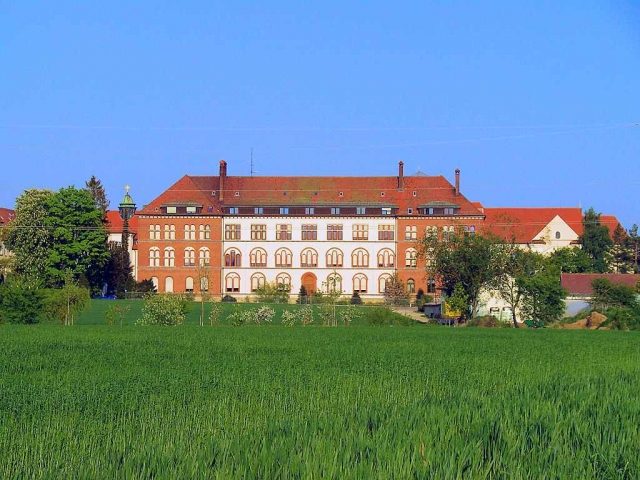
Kloster Sießen, located in the Sigmaringen district of Baden-Württemberg, is a historically significant site that is still actively used by a religious order today. Situated at an elevation of approximately 646 meters above sea level, it is renowned for its Baroque architecture and long monastic tradition.
History+
The origins of Kloster Sießen date back to the mid-13th century. It was founded in 1259 as a Dominican convent. A knight named Steinmar von Sießen-Strahlegg significantly contributed to its establishment by gifting a townhouse in Saulgau to the sisters of “Sulegen” in 1251 and, in 1260, transferring his estate in “Süessen” and the patronage rights of the local church to the Dominican nuns of “Sulgay.” A chapel, the Wendelinuskapelle, was built in 1386. The monastery experienced difficult times in the 17th century when it was plundered and set on fire by Swedish troops in 1632/34. Between 1716 and 1722, the monastery buildings were reconstructed in the Baroque style under the direction of master builder Franz Beer von Au. During the secularization, the Dominican convent was dissolved in 1803. Its possessions, including the Wendelinuskapelle, were transferred to the Prince of Thurn and Taxis. From 1860 onwards, the buildings were taken over by the Franciscan Sisters of Sießen, who continue to manage the monastery to this day. During the Nazi era, between 1935 and 1938, the monastery faced forced closure and the expulsion of the nuns.
Source: Wikipedia · Licence: CC BY-SA 4.0
This description draws on the facts documented in the linked Wikipedia article; Wikipedia content is licensed under CC BY-SA 4.0. Wording and editing: Mobile History.
Location: 48.0004, 9.4740