Museum
MonasteryLacock
Lacock Abbey
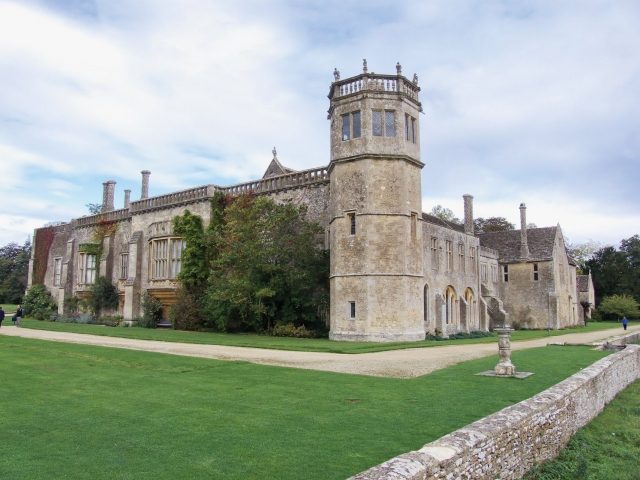
In the village of Lacock in Wiltshire, England, is Lacock Abbey, a former Augustinian nunnery from the early 13th century. This structure played a role in the history of photography.
History+
The abbey was founded in the early 13th century by Ela, Duchess of Salisbury, during the reign of King Henry III. Her husband was William de Longspee, 3rd Earl of Salisbury and an illegitimate son of King Henry II. The abbey flourished economically, supported by farmland provided by Ela of Salisbury and through the wool trade. During the dissolution of the monasteries in the mid-16th century, Sir William Sharrington acquired the estate from King Henry VIII. In 1539, he converted it into a residence, demolishing the abbey church while largely preserving other monastic buildings. Thus, the cloister remains beneath the living quarters to this day. The building underwent further alterations, including a Renaissance tower. In the 1750s, when it belonged to John Ivory Talbot, it was rebuilt in the Gothic Revival style under the direction of architect Sanderson Miller.
Source: Wikipedia · Licence: CC BY-SA 4.0 · Image: Colin Jackson
This description draws on the facts documented in the linked Wikipedia article; Wikipedia content is licensed under CC BY-SA 4.0. Wording and editing: Mobile History.
Location: 51.4147, -2.1173