The remains of the Castle can be visited
CastleNiesten
Niesten Castle (Ruin)
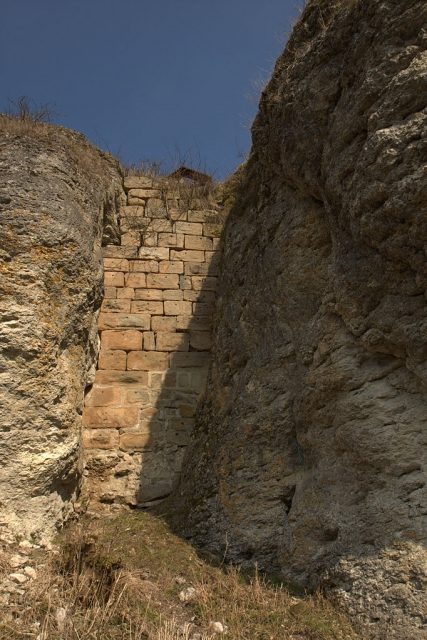
Niesten Castle was a significant castle complex in the High Middle Ages in the area of today's city of Weismain, district Niesten, in the Lichtenfels district in Upper Franconia.
The former hilltop castle is located on a prominent elevation northeast above the village of the same name, today a district of Weismain, in the Krassach Valley, a side valley of the Weismain, south of the Main. It is freely accessible. A few wall remains are still recognizable.
In 1128, Niesten Castle was first mentioned on the occasion of a futile siege by the Staufer anti-king Konrad III. In a document from Michelsberg Monastery in 1142, Otto von Nisten was named as the lord of the castle. Fridericus de Niste was mentioned in 1188 as the last member of the independent noble family of the Lords of Niesten.
Around 1190, the castle became a bishop's fief to the Dukes of Merania. In 1207, a Diepoldus de Nisten appeared in Meranian service. On June 19, 1248, Otto II of Andechs, Duke of Merania and Count Palatine of Burgundy, died at Niesten Castle without leaving any descendants. This ended the era of the House of Andechs-Merania and the castle returned to the Bishops of Bamberg.
At the beginning of the 1 4th century, the castle belonged to the Franconian noble family of the Modschiedler von Gerau. In the following centuries, the castle was repeatedly fiercely contested.
Source: Wikipedia · Licence: CC BY-SA 4.0
This description draws on the facts documented in the linked Wikipedia article; Wikipedia content is licensed under CC BY-SA 4.0. Wording and editing: Mobile History.
Location: 50.0717, 11.2629