CastleNeuhofen an der Ybbs-Haagberg

Haagberg Castle
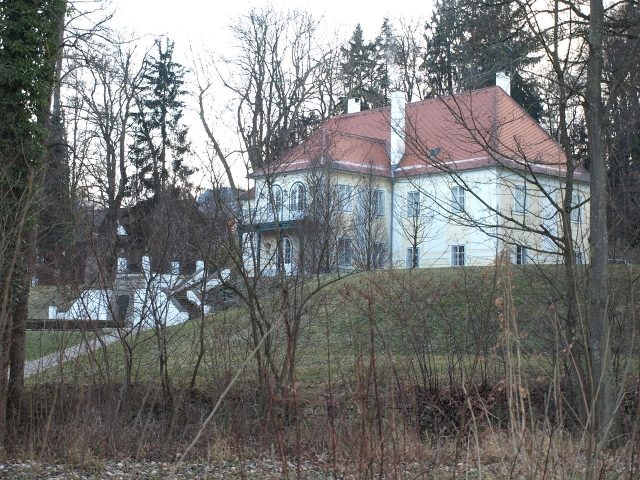
Haagberg Castle

To be privately owned

The History of the Castle+

The castle was built from 1748 to 1772 and, after a period of decay, was renovated and rebuilt in 1850 under Countess Pauline Zichy.

From Baroque Residence to Modern Museum+

Originally conceived as a baroque residence for the noble family, the castle underwent numerous transformations over the centuries. In the 19th century, it was extensively renovated and expanded, giving it its present-day appearance. After the Second World War, it served various purposes, including a hospital and a school, before being converted into a museum in the 1980s.

The Builders and Their Vision

The construction of the castle began under Count Anton von Hochberg, who commissioned the renowned architect Johann Balthasar Neumann with the planning. Neumann, a master of Baroque architecture, created an impressive design that combined elegance and functionality. His vision was to create a residence that reflected the power and wealth of the Hochberg family.

After Neumann's death, his student, Franz Ignaz Michael Neumann, continued the work and completed the castle. The construction period was long and challenging, but the result was a magnificent building that still impresses today.

Architectural Features+

The castle is a prime example of Baroque architecture, characterized by its symmetrical facade, opulent decorations, and spacious interiors. The main building consists of three wings surrounding a central courtyard. The facade is adorned with numerous sculptures, reliefs, and stucco elements that reflect the artistic mastery of the time.

The Grand Hall

One of the most impressive rooms in the castle is the Grand Hall, which extends over two floors. It is decorated with magnificent frescoes and stucco work and was used for festive occasions and receptions. The hall offers breathtaking views of the surrounding park and the city.

The Castle Chapel

The castle chapel, located in the east wing, is another architectural highlight. It is richly decorated with altars, sculptures, and paintings and served as a private place of worship for the noble family. The chapel is a place of peace and contemplation, inviting visitors to linger.

The Castle Park+

The castle is surrounded by a spacious park that was laid out in the 18th century. The park combines elements of French Baroque gardens and English landscape gardens. It features numerous statues, fountains, and pavilions, as well as a variety of trees and plants.

The Orangery

The Orangery, located in the southern part of the park, was originally used to house exotic plants during the winter months. Today, it serves as a venue for concerts, exhibitions, and other events. The Orangery is a popular meeting place for visitors and offers a unique atmosphere.

The Labyrinth

A special attraction in the park is the labyrinth, which was created in the 19th century. It consists of high hedges and offers a playful challenge for young and old. The labyrinth is a popular destination for families and invites them to explore and discover.

Current Use and Events+

Today, the castle houses a museum that presents the history of the building and its former inhabitants. In addition, the castle is regularly used for cultural events, concerts, and exhibitions. The castle also offers various educational programs for schools and groups.

Exhibitions

The museum regularly hosts special exhibitions that focus on various aspects of art, culture, and history. These exhibitions offer visitors the opportunity to delve deeper into specific topics and discover new perspectives.

Concerts and Cultural Events

The castle is a popular venue for concerts, theater performances, and other cultural events. The unique atmosphere of the historic rooms provides a special setting for these events and attracts numerous visitors.

Educational Programs

The castle offers a variety of educational programs for schools, families, and groups. These programs include guided tours, workshops, and interactive activities that bring history to life and make it tangible.

Take Mobile History with you

You are reading this text for free. Premium adds what matters on the road: descriptions read aloud, sites found through your camera, whole regions taken offline.

  • Every description, including the ~17,700 Premium sites
  • Audio guide: have descriptions read to you on location
  • AR finder: see sites through your camera, with distance and bearing
  • Unlimited saved sites

14 days free, then from €2.99 a month. Cancel anytime.

Source: Wikipedia · Licence: CC BY-SA 4.0 · Image: http://commons.wikimedia.org/wiki/File:2011.12.20_-_Neuhofen_-_Gut_Haagberg_-_01.jpg

This description draws on the facts documented in the linked Wikipedia article; Wikipedia content is licensed under CC BY-SA 4.0. Wording and editing: Mobile History.

Location: 48.0517, 14.8506