Cultural Events
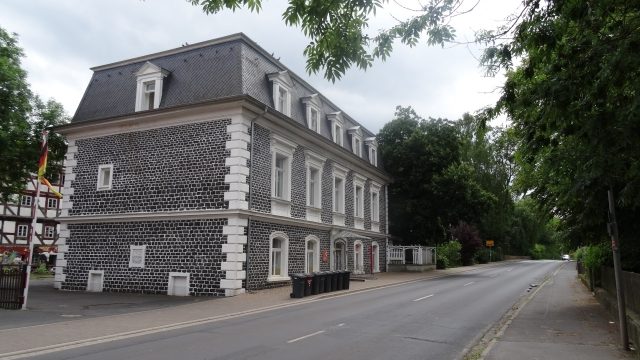
Loshausen Castle
The Historic Building: A Journey Through Time+
From Manor to Museum: The Building's Transformation+
The history of the building, often referred to as a "small castle," dates back to 1669. It was built by General von Normann, a prominent figure of his time. Initially, it served as a manor house, reflecting the architectural style and living standards of the late 17th century.
Over the centuries, the building underwent several transformations. It changed hands multiple times, with each owner leaving their mark. During the 18th century, significant renovations were carried out, adding Baroque elements to its facade and interior. These changes mirrored the evolving tastes and architectural trends of the era.
The 19th century brought further modifications, including the addition of a new wing and the redesign of the surrounding gardens. These alterations aimed to modernize the estate and enhance its grandeur. The building, once a modest manor, gradually evolved into a more imposing structure, reflecting the social status of its inhabitants.
In the early 20th century, the building faced an uncertain future. After years of private ownership, it was eventually acquired by the city. A decision was made to transform it into a public institution, preserving its historical significance for future generations. Extensive restoration work began, carefully preserving original features while adapting the interior for its new purpose.
Today, the building serves as a museum, housing a diverse collection of artifacts that tell the story of the region's history. It stands as a testament to centuries of architectural evolution and cultural heritage. Visitors can explore its various rooms, each offering a glimpse into a different period of its past.
Architectural Features and Style+
The building's architecture is a fascinating blend of different styles, reflecting its long and varied history. The original structure, built in 1669, exhibited typical features of late Renaissance architecture, characterized by its symmetrical facade and sturdy construction.
The 18th-century renovations introduced Baroque elements, such as ornate stucco work, decorative frescoes, and a more elaborate roofline. These additions brought a sense of grandeur and sophistication to the building, aligning it with the prevailing architectural trends of the time.
The 19th-century additions, particularly the new wing, incorporated elements of Neoclassicism. This style emphasized clean lines, classical proportions, and a more restrained aesthetic. The juxtaposition of these different styles creates a unique architectural tapestry, making the building a compelling subject for study.
One of the most striking features is the main hall, with its high ceilings and intricate detailing. The original wooden beams, carefully preserved during the restoration, are a testament to the craftsmanship of the past. The large windows offer panoramic views of the surrounding park, which was also meticulously restored to its former glory.
The building's exterior is characterized by its warm, earthy tones and the use of local materials. The stone facade, weathered by centuries, tells a story of resilience and endurance. The intricate carvings above the main entrance are particularly noteworthy, depicting scenes from local folklore and history.
The Building's Role in Local History+
Throughout its history, the building has played a significant role in the local community. Initially, as the residence of General von Normann, it was a center of political and social life. Important decisions were made within its walls, influencing the development of the surrounding region.
During the 18th and 19th centuries, under various noble families, the estate continued to be a hub of activity. It hosted lavish balls, cultural events, and important gatherings, bringing together prominent figures from across the country. The building became a symbol of prestige and influence.
The transformation into a museum in the 20th century marked a new chapter in its history. It transitioned from a private residence to a public institution, dedicated to preserving and sharing the region's heritage. This change made the building accessible to everyone, fostering a deeper connection between the community and its past.
Today, the museum actively engages with the local community through educational programs, workshops, and special exhibitions. It serves as a vital resource for students, researchers, and anyone interested in learning about the region's rich history. The building continues to be a focal point, bringing people together and fostering a sense of shared identity.
The stories held within its walls, from the lives of its former inhabitants to the events that shaped the region, are now accessible to all. The building stands not just as an architectural marvel, but as a living testament to the enduring power of history and culture.
General von Normann: The Founder
The small castle was built in 1669 by General von Normann.
Take Mobile History with you
You are reading this text for free. Premium adds what matters on the road: descriptions read aloud, sites found through your camera, whole regions taken offline.
- Every description, including the ~17,700 Premium sites
- Audio guide: have descriptions read to you on location
- AR finder: see sites through your camera, with distance and bearing
- Unlimited saved sites
14 days free, then from €2.99 a month. Cancel anytime.
Location: 50.8845, 9.2547